
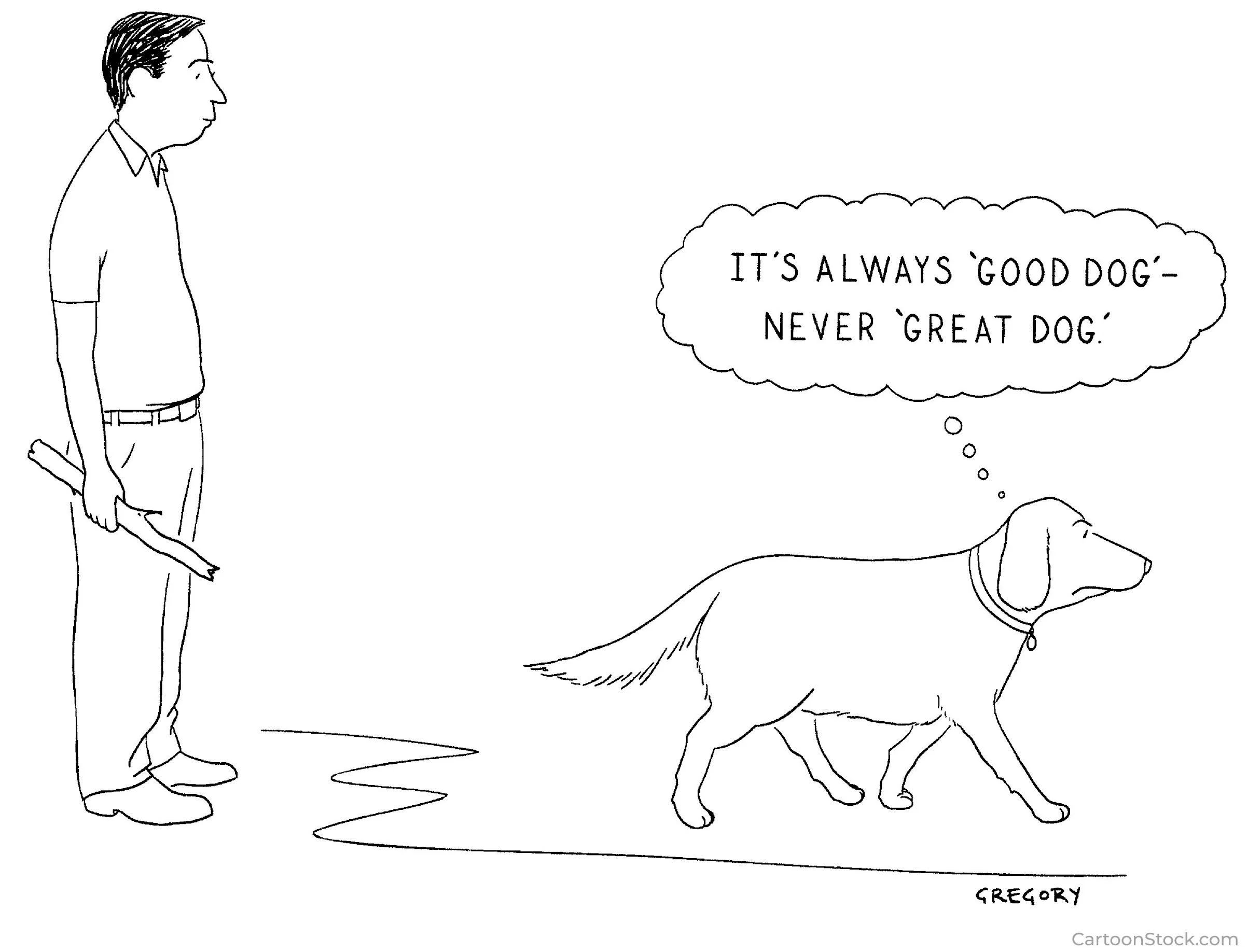
So let’s talk about praise. We’ll start with a famous quote: "Gratitude is not only the greatest of virtues, but the parent of all others" - C.T. Studd
We all know what it feels like when someone praises us. It feels warm, invigorating, and it is truly validating. What could be better than receiving praise for something you have done or said? I have worked with myriad surgical residents and fellows, researchers, faculty, administrative staff, and bosses. In my career, I thought a lot about being purposeful in my interactions with
them, finding opportunities to praise people for a job well done, an innovative idea, or a question raised.
According to a famous relationship researcher, John Gottman, the ideal praise-to-criticism ratio, especially in leadership and relationships, is cited as 5:1, meaning five positive interactions for every one negative. If I needed to critique someone, I would first take the time to be sure I was maintaining that ratio, looking for characteristics, accomplishments, and thoughtfulness that the
person exuded. There is nothing worse for someone’s self-esteem and work productivity than only experiencing negative criticism from someone. It is demoralizing and, ultimately results in resentment and poor performance.
This is assuming, of course, that the praise is earned and not just transactional. Certainly, we have all experienced insincere praises, especially from someone who is junior to us and reports to you. The practice invokes a lack of confidence in the validity of the praise and brings into question the motivation of the individual bestowing it.
My experience with giving praise, when earned, is that people in turn, become more open, reveal to you things about themselves you otherwise would never know; they become a true team player and, the joy of working together becomes profound.
I will leave you with another quote:
"A grateful mind is a great mind which eventually attracts to itself great things" - Anonymous
The Power of Praise: How Genuine Recognition Builds Stronger Teams
Previous
Previous
Drawing the Line: How Clear Boundaries Improve Work and Life
Next
Next