
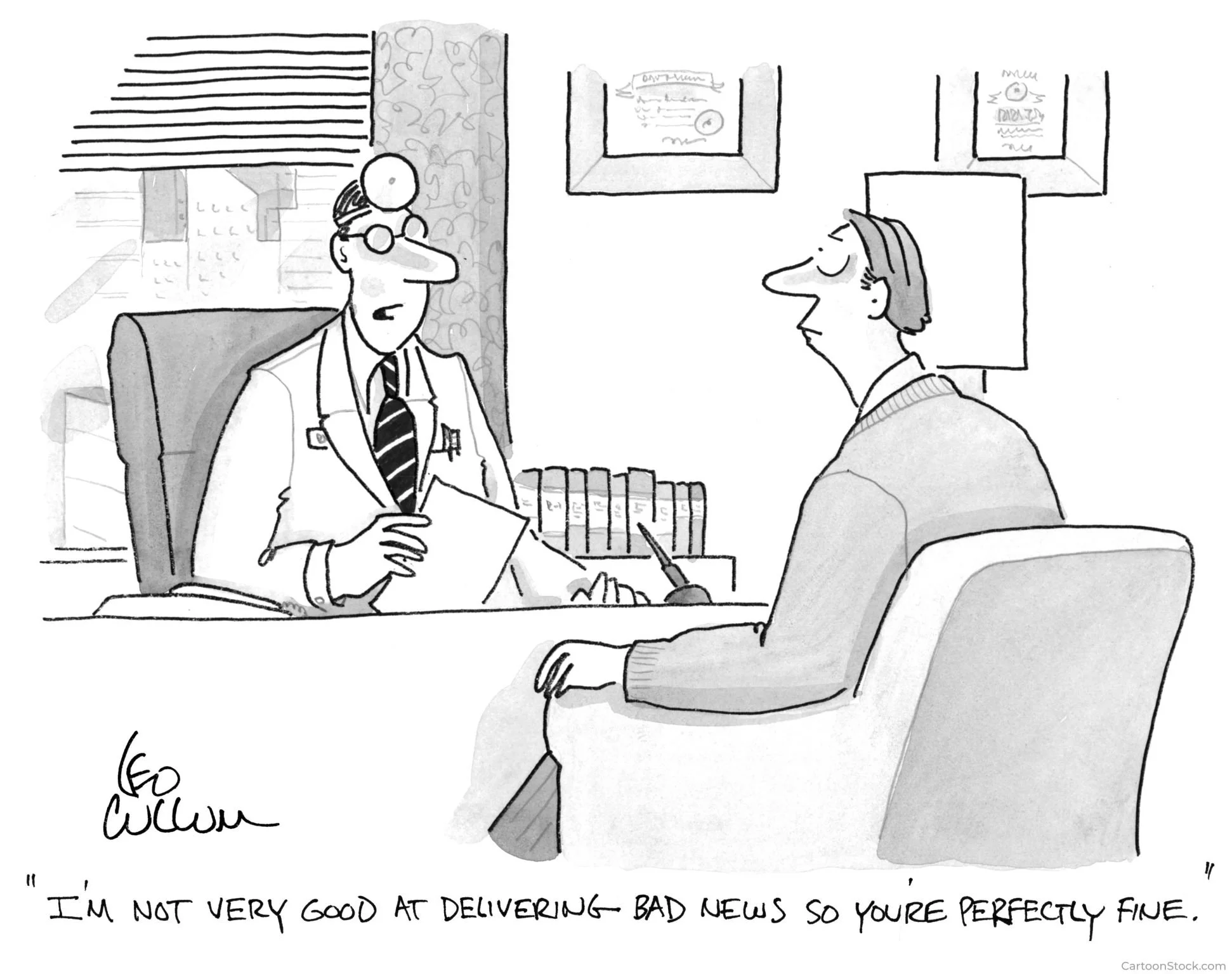
Imagine having to deliver the most devastating news imaginable: that a loved one has just died. Now imagine doing it as a surgical trainee, with little or no formal training on how to conduct that conversation. I remember a pediatric cardiac surgeon with a bowed head and tears in his eyes sharing the grief with a dying child’s parents by her bedside. It was a moment I will never forget. I remember having to tell parents that there was nothing more we could do for their child who was dying from a rare pulmonary disease. It remains one of the most profound moments of my career.
Do you remember that first time when it was only you who had to navigate the emotional discussions, in the middle of the night when a child died in a car accident, and you could not save them in the operating room; when a patient experienced tremendous blood loss during a risky operation, and it was uncertain whether they would survive? Remember the time when you had to tell your patient and their family that the cancer you found was so extensive you could not resect it, that their life would most certainly be cut short?
Nothing prepares you for these scenarios.
These conversations are among the most emotionally demanding responsibilities we carry as surgeons. And yet, despite their importance, communication training in surgery has historically been inconsistent and often informal. We devote years to mastering operative technique and clinical decision-making, but far less time to teaching how to communicate with compassion, clarity, and presence during moments that patients and families will remember for the rest of their lives. Over time, I learned that delivering bad news is not simply about conveying information. It is about humanity, professionalism, empathy, and bearing witness to suffering while still providing steadiness and guidance.
My advice is to learn from the best. Observe who is empathetic and professional in delivering bad news, who stays with the family as long as is needed to answer their questions, who mourns with them.
As academic surgeons, we have a responsibility to better prepare trainees for these moments. Communication should be a core clinical competency as its delivery profoundly affects patients, families, trainees, and surgeons themselves. We should teach how to conduct difficult conversations with the same intentionality that we teach operative skills.
The Conversations We Never Forget: Delivering Bad News with Compassion
Previous
Previous
Lost in Translation: Why Plain Language Matters in Medicine
Next
Next